10 Things You Should Know About People with Limb Differences
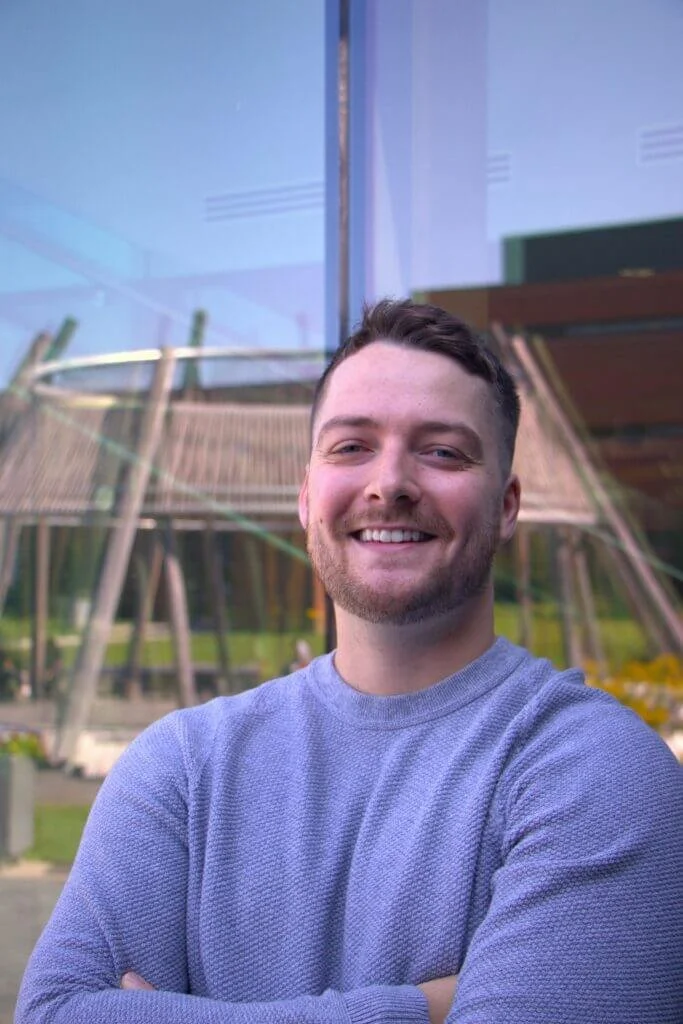
Author: Graham Spero
In order to be irreplaceable, one must always be different.
-- Coco Chanel
I was born with a partial left hand. It looks really strange, and I get a lot of questions about it, so I wrote this article to share some things you should know about people with limb difference.
People with limb differences—whether congenital or acquired—navigate the world with creativity, resilience, and adaptability. Just like those people with low vision or who are deaf, our experiences offer valuable lessons in inclusion, accessibility, and human ingenuity.
The following are my top ten things you should understand about people with limb differences.
1. We do see you staring at us
We also stare sometimes ourselves. Just don’t be weird about it.
2. Don’t feel sorry for us
All the pity in the world is not going to help the limb grow back. What pity does do is make some of us wonder if we should feel sorry for being who we are.
3. Some of us actually like having a limb difference
I definitely wouldn’t change anything about who I am if I could. I enjoy being different. It’s allowed me to stand out in certain situations, and it’s made me who I am.
4. We make great parents
A woman who could have been my mother-in-law once said, “How can he even hold a baby?”
I have amputee friends who themselves have raised amputee children. These are the best parents that I know, because they’ve lived their lives adapting and overcoming. Every kid faces challenges growing up, and amputee parents know more than most about that.
5. Don’t be shy: Just ask your questions
Most of us would rather answer your questions instead of acting like it’s a touchy subject.
6. You can have a sense of humour about disabilities
Disabilities can be really funny to joke about. Having a sense of humour about our disabilities is a sure sign that you feel comfortable being with us.
7. Sometimes we do make excuses
It’s true: sometimes I use my limb difference as a tactic to get out of certain situations. If life is going to deal me half a hand, I’m going to play it.
8. We can do everything that you can do
For certain tasks, we might need an attachment or a tool to help us to do the thing.
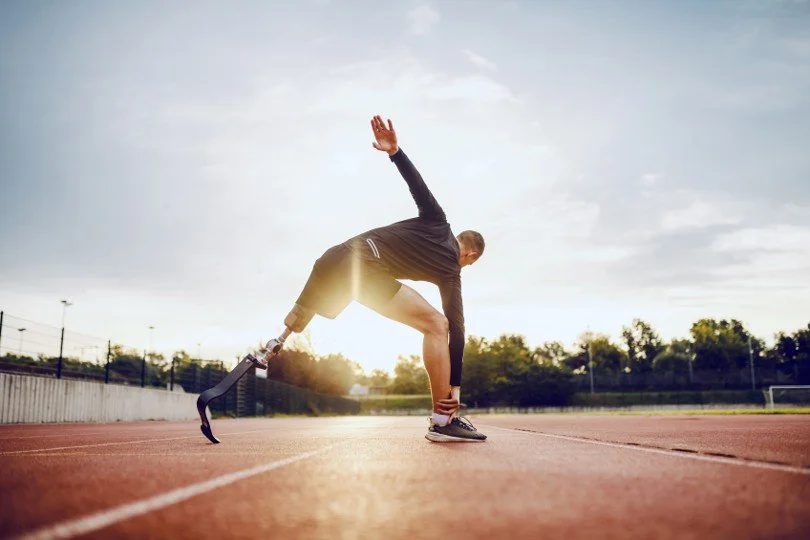
It’s not uncommon for a leg amputee to have one artificial leg designed for swimming, another artificial limb for running, and then another type of artificial limb for everyday life.
9. Prosthetics cost tens of thousands of dollars
Prosthetics don’t come cheap. In Canada, we have the War Amps of Canada to thank for funding our prosthetics. I’ll never forget the first time I met an American amputee who had to fundraise to purchase a leg for his child and realizing that having to pay thousands out of pocket for a limb is a sad reality for many of us.
10. We All Benefit from Universal Design
Designing with accessibility in mind benefits everyone. Voice commands, ergonomic tools, and inclusive communication strategies make life easier for all users—not just those with disabilities.
Final Thought:
People with limb differences are not defined by what they lack, but by how they live, adapt, and contribute.
A brief note about the author
Graham Spero is a dedicated accessibility advocate whose career and volunteer work have focused on improving the lives of people with disabilities. Born with a partial left hand, Spero has transformed personal experience into public impact—working on accessibility standards at Accessibility Standards Canada, removing barriers in the Parliamentary Precinct, and coaching limb-different youth through organizations like NubAbility Athletics. His efforts span policy, public engagement, and grassroots mentorship, all driven by a commitment to removing barriers and empowering others. Through professional roles and viral educational content, Spero continues to champion inclusion, awareness, and systemic change.