Ten Realities of Traveling in a Wheelchair
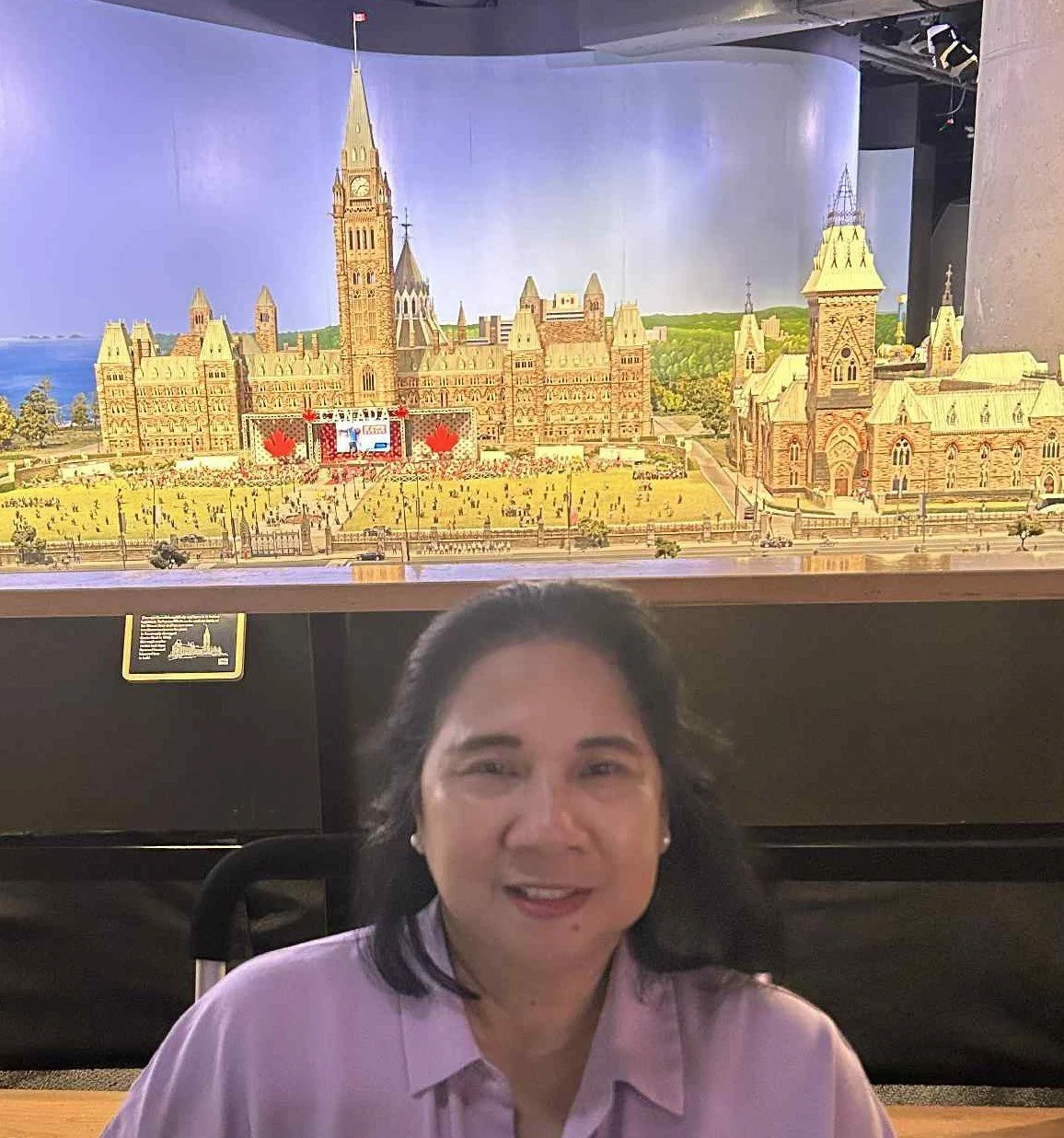
Author: Ruth Dilao
Travel is often described as a universal human experience - a way to learn, connect, and participate in the world. Yet, for many wheelchair users, travel remains shaped not by the desire to explore, but by the barriers that determine where we can go, how safely we can move, and whether we are welcomed once we arrive. My own travels have shown me both the joy of discovery and the persistent gaps in accessibility that limit full participation.
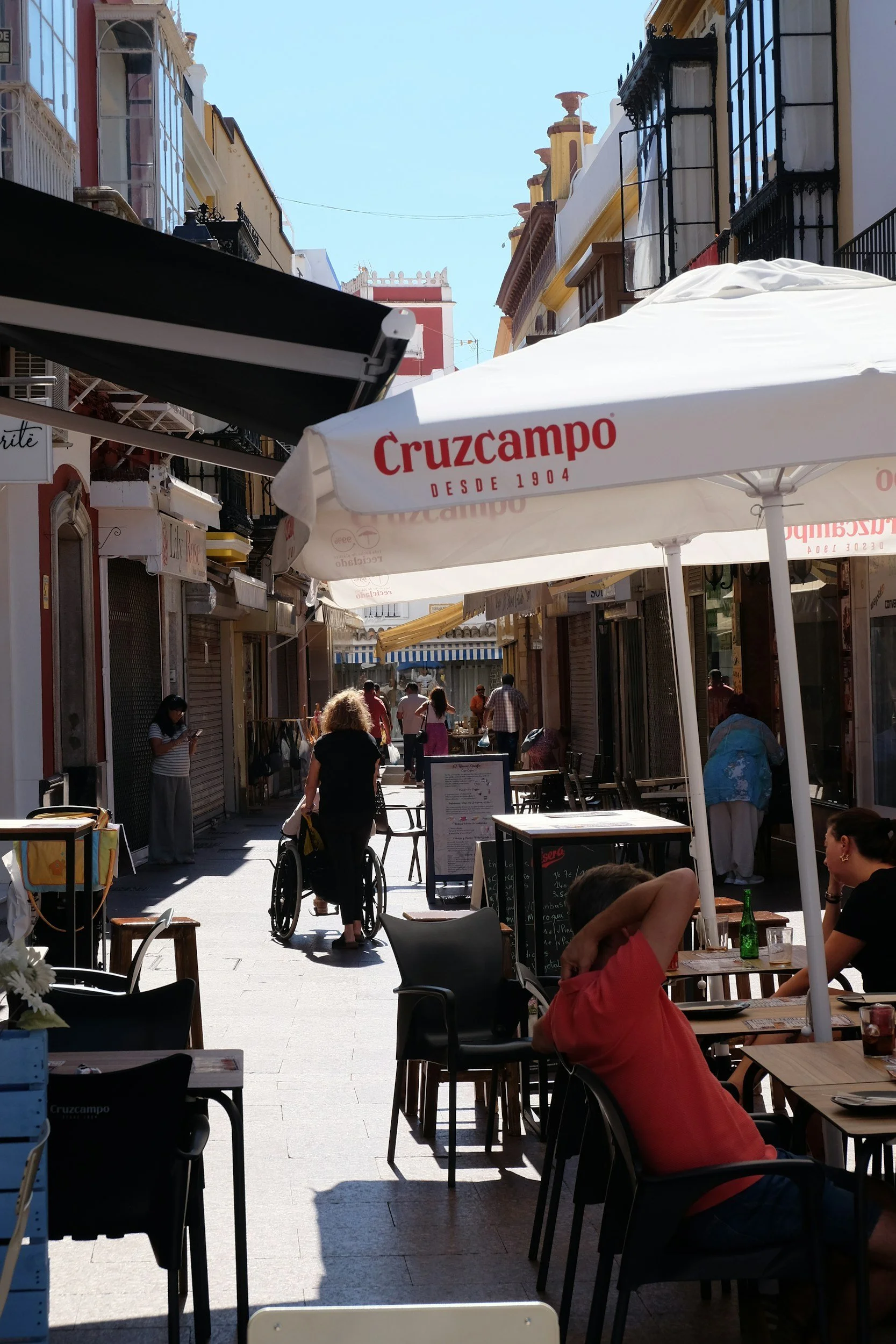
One of the most memorable examples comes from my trip to Lisbon. The city’s beauty is undeniable: sweeping viewpoints, vibrant neighborhoods, and a culture rich with warmth. But Lisbon is also a city of steep hills, narrow doorways, and centuries-old cobblestones — terrain that poses challenges for wheelchair users. And yet, despite these physical barriers, the kindness of the people transformed the experience. Shopkeepers offered help without hesitation, strangers cleared paths, and those narrow, inaccessible storefronts became places of connection rather than exclusion. That trip reminded me that accessibility is not only about infrastructure; it is also about attitude.
Still, goodwill alone cannot replace the need for systemic, reliable accessibility. To build a world where wheelchair users can travel with dignity, safety, and independence, we must understand the realities behind the journey.
1. Planning is not optional — it is survival.
Every trip requires extensive research: entrances, sidewalks, washrooms, transportation, and terrain. This invisible labor is the price of participation, and it should not fall solely on the traveler.
2. “Accessible” is too often a vague or misleading label.
Hotels, restaurants, and attractions may advertise accessibility, yet fail to meet even basic standards. A ramp that is too steep, a bathroom too small, or a single step at the entrance can turn a “yes” into a “no.”
3. Air travel remains one of the most vulnerable parts of the journey.
Boarding procedures, aisle chairs, and staff assistance vary widely. A wheelchair damaged in transit is not an inconvenience — it is the loss of mobility, independence, and safety.
4. Transportation gaps limit participation.
Accessible taxis, buses, and shuttles are inconsistent across cities. Even when accessible vehicles exist, they may be unavailable, broken, or significantly delayed.
5. Terrain can exclude without intention.
Cobblestones, steep inclines, broken sidewalks, and missing curb cuts can turn a simple outing into a physical and emotional challenge. Lisbon’s charm softened the difficulty, but the barrier remained real.
6. Time is not equal for everyone.
Accessible routes are often longer, indirect, or hidden. Elevators may be distant or out of service. These delays are not about ability — they are about design.
7. Spontaneity is limited, but joy is not.
With planning and support, wheelchair users can experience the same beauty and culture as any traveler. My Lisbon trip, despite its challenges, remains one of my most joyful journeys.
8. Human kindness makes a measurable difference.
In Lisbon, people stepped forward with genuine warmth — lifting a chair, clearing a path, or bringing items out to me when a shop was inaccessible. These gestures did not erase the barriers, but they softened them.
9. Companions matter.
A patient, observant travel partner can turn obstacles into shared victories. Accessibility is not only structural; it is relational.
10. Accessibility benefits everyone.
Ramps, smooth paths, elevators, and clear signage support seniors, parents with strollers, travelers with luggage, and anyone navigating fatigue or injury. Inclusive design is universal design.
Traveling in a wheelchair is not about limitation. It is about navigating environments that were not designed with us in mind — and still finding ways to participate, contribute, and experience joy. My trip to Lisbon reminded me that even in challenging terrain, human connection can open doors. But it also reinforced the need for a world where accessibility is consistent, dependable, and universal.
When we design with inclusion in mind, we do more than remove barriers. We create a world where everyone — regardless of mobility — can explore, belong, and thrive.
Ruth Dilao Biography
Ruth Dilao is a Senior Research and Evaluation Analyst working in the federal public service, with a focus on evidence-based approaches to accessible design and delivery of programs and services.
As a wheelchair user and experienced traveler, she brings a lived understanding of the barriers that shape mobility and inclusion—from steep hills and cobblestones to the hidden labor of planning accessible routes.
Her advocacy focuses on both the systemic and human dimensions of accessibility, emphasizing that true inclusion requires thoughtful design as well as everyday compassion. Ruth champions the belief that when environments are built with accessibility in mind, everyone benefits—and everyone can fully participate and thrive.